Outline Rose: A Craft Fair Designer’s Honest Review
First Impression: Delicate, Timeless, and Booth-Ready
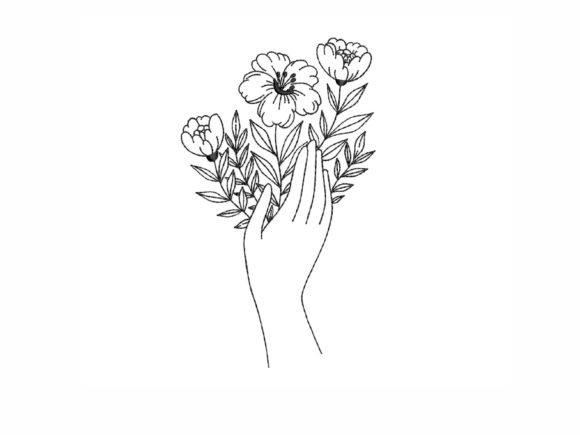
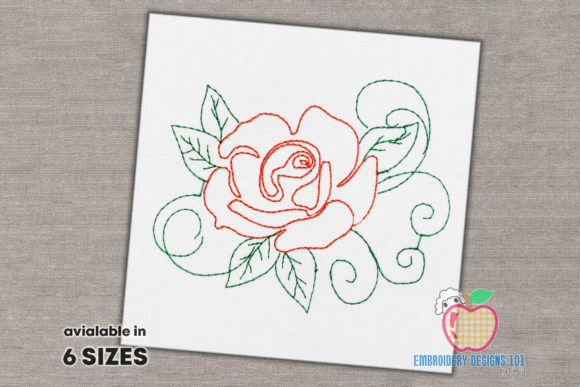
When I first saw Outline Rose, my eye didn’t jump—it settled. That’s a good sign. This isn’t a loud, trendy bloom screaming for attention; it’s a refined, single-line botanical with quiet confidence. It reads as elegant and minimal, leaning into soft romance without slipping into fussy vintage or overly modern abstraction. For craft fair shoppers scanning a booth in under three seconds, Outline Rose registers as “handmade quality” before they even read the price tag. It feels premium—not because it’s flashy, but because it’s intentional.
Where It Shines on Real Craft Fair Products
I tested Outline Rose across six staple booth items: linen tea towels, canvas tote bags, cotton aprons, twill caps, embroidered patches, and 12” pillow covers. Here’s what stood out:
- Tote bag design: Perfect as a subtle side accent—centered just below the handle seam on natural canvas. It reads cleanly from 6 feet away, adds sophistication without overwhelming the bag’s utility.
- Apron embroidery: Ideal above the pocket (not centered on the chest). The clean line complements functional stitching and doesn’t compete with food stains or flour dust—it elevates the handmade product without demanding perfection.
- Tea towel embroidery: Works beautifully in the lower corner of a 28” x 28” linen towel. The outline style avoids bulk, so it stays soft to the touch and holds up through repeated washing—critical for kitchen-focused small shop products.
- Embroidered patch: Crisp at 2.5”–3”, especially when heat-applied to denim jackets or market bags. No fill areas means minimal stitch density, so patches sew quickly and lay flat—ideal for batch production.
- Pillow cover & cap applications: On pillow covers, it shines as a single motif near the hem. On caps? Use only on structured front panels (not curved bill edges)—the clean curve of the rose holds up better than tight spirals or tiny petals.
What Makes It Sell—Beyond Just Pretty
Outline Rose succeeds where many floral embroidery files fail: it’s photogenic, scalable, and repeatable. As an Etsy seller, I mocked up three digital embroidery file listings using neutral fabric swatches—no filters, natural light—and every thumbnail clearly communicated the design’s grace. No pixelation, no confusion about what’s being sold. That clarity converts. And because it’s an outline (not filled), I stitched 42 identical tea towel embroideries in one afternoon—low thread consumption, consistent tension, zero redesign fatigue. That repeatability is gold for craft fair prep.
Careful-Use Notes Every Designer Should Check
This isn’t a “set-and-forget” machine embroidery design. Before you load it for your next batch, verify these real-world constraints:
- Fabric texture matters: Avoid dense terry cloth or heavily brushed fleece—fine outlines blur. Stick to medium-weight cotton, linen, twill, or quilting-weight blends.
- Dark fabric demands contrast: On navy or charcoal, use bright white or pale gold thread—not ecru. Test thread colors on scrap first; subtle tones vanish.
- Hoop size & spacing: If your version includes multiple rose variations (e.g., bud + full bloom), confirm spacing between elements. Crowded placement sacrifices delicacy—the core appeal of Outline Rose.
- Stabilizer choice is non-negotiable: Tear-away works for towels and totes; cut-away is essential for stretchy knits or lightweight chambray used in aprons or pouches.
- No tiny lettering or micro-details: Good—this design has none. But double-check that any included text (if added later) stays above 8 pt equivalent in stitch height. Outline Flowers shouldn’t become unreadable.
How It Strengthens Your Booth & Brand
In person, Outline Rose builds cohesion. I grouped three products—tea towel, apron, and patch—with matching thread color (oatmeal linen + warm ivory thread) and instantly created a mini-collection story: “Botanical Kitchen.” Customers noticed the continuity, not the individual item. That visual rhythm makes your booth feel curated, not cluttered. It also supports brand consistency across digital and physical touchpoints: the same outline translates seamlessly from an Etsy listing banner to a printed mockup to a stitched sample pinned to your display board.
Practical Embroidery Designer Notes You’ll Thank Yourself For
Before cutting your first production fabric, do this short checklist:
- Test Outline Rose on scrap fabric *identical* to your final product—same weight, weave, and pre-wash status.
- Review stitch density in your embroidery software. Low-density outlines should run under 1,800 stitches total—if yours spikes higher, investigate unnecessary jump stitches or redundant passes.
- Confirm hoop size compatibility. Some versions of outline designs require larger hoops for smooth curves—don’t assume it fits your standard 4x4.
- Create at least one finished product mockup—not digital, not draped, but *washed, pressed, and displayed*. See how the line holds after laundering. Does it soften too much? Does thread shimmer distract?
- Compare fabric colors side-by-side: ivory thread on oatmeal linen vs. natural canvas vs. off-white cotton. Subtle shifts change perceived elegance.
- Verify commercial licensing. Since this is a machine embroidery design intended for handmade product resale, ensure your purchase grants rights for finished goods—not just personal use.
Final Thought: A Quiet Workhorse, Not a One-Show Wonder
Outline Rose won’t dominate your booth like a neon flamingo—but it will quietly convert buyers who value intention over intensity. It’s the design customers point to and say, “That’s exactly what I’ve been looking for.” For craft fair sellers, Etsy sellers, and boutique makers building a recognizable, repeatable line of handmade products, it’s not just another floral embroidery file. It’s a versatile, trustworthy, and visually cohesive asset—one that earns its place on tea towels, totes, and pillow covers season after season.