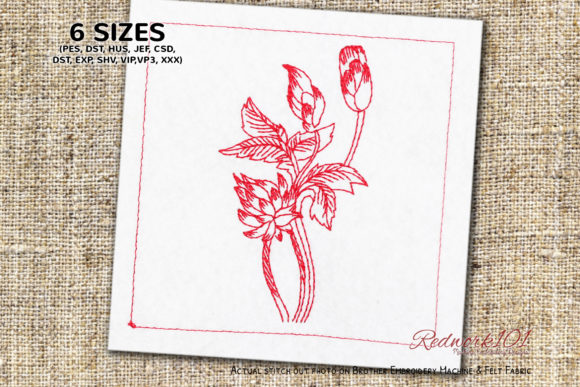
Blooming Lotus Flower
First Impression: Elegant, Intricate, and Quietly Confident
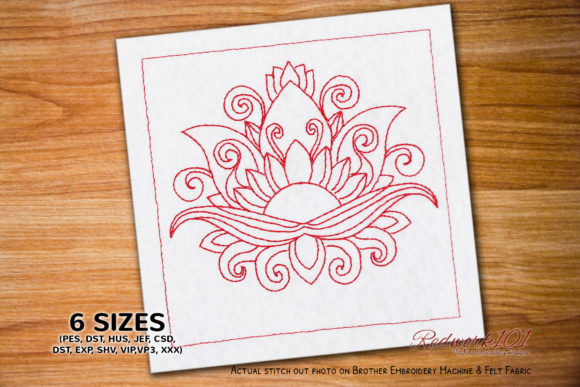
As an embroidery designer who’s prepped over 200 craft fair booths—and shipped thousands of embroidered tote bags, tea towels, and patches—I opened Blooming Lotus Flower expecting floral charm. What I found was something more intentional: a design that reads *elegant* before it reads *floral*. It’s not loud or trendy—it doesn’t need to be. Its quiet confidence makes it ideal for handmade markets where shoppers seek authenticity, craftsmanship, and subtle sophistication. This isn’t a “cute” lotus or a “festive” one—it’s a *premium single flower*, grounded in botanical grace and refined execution. That tone matters deeply when you’re curating a booth full of handmade product.
Where Blooming Lotus Flower Shines on Craft Fair Products
This design excels where detail meets function—especially on items customers hold, use, and gift. On a linen tea towel? It anchors the top corner with quiet authority—no competing patterns needed. As an apron embroidery centered above the pocket? It elevates the whole piece from kitchen accessory to heirloom-quality handmade product. As a small embroidered patch (3–4 inches), it becomes a collectible accent—ideal for Etsy sellers bundling with pins or stitch kits. And on a cotton tote bag? Positioned mid-panel or near the strap, Blooming Lotus Flower transforms an everyday item into a statement of mindful curation.
It also performs beautifully on pillow covers and fabric pouches—two high-margin, low-inventory craft fair staples. Because the lotus carries symbolic weight (clarity, resilience, renewal), it resonates emotionally in giftable contexts—think “new home,” “wellness,” or “self-care” bundles. Unlike busier florals, it doesn’t overwhelm small surfaces. And unlike minimal line-drawings, it delivers rich texture and visual reward at arm’s length.
What Works—and What Requires Care—in Real-World Production
Blooming Lotus Flower is immediately legible as a machine embroidery design—even at a glance across a crowded market aisle. Its central bloom and layered petals create natural focal points, so customers intuit its theme without reading a tag. That clarity is gold for craft fair sellers juggling ten conversations at once.
That said, “intricate” (as noted in the description) means attention is non-negotiable. Dense stitch areas—especially in petal layering or stamen details—can cause puckering on textured towels or lightweight cotton unless stabilized properly. Curved cap surfaces demand careful hooping and possibly reduced density in outer petals. Dark fabric requires high-contrast thread colors; test stitching on your exact base fabric before batch production. And if you’re scaling down for patches or small pouches, verify that fine details (like delicate veining or tight center spirals) remain crisp—some elements may soften below 3.5 inches.
The optional Box Stitch (likely a border or framing element) adds polish but increases stitch count and time. Use it selectively: perfect for premium pillow covers or boutique aprons, less essential for high-volume tea towel runs.
Photography & Online Appeal: Why It Converts
This design photographs exceptionally well—soft shadows, clean lines, and organic flow translate powerfully in printable mockups and Etsy listings. Unlike flat vector florals, its dimensional stitch play catches light naturally. For digital sellers, that means fewer retouches and stronger perceived value. Pair it with neutral backdrops (oatmeal linen, unbleached cotton, matte ceramic) and it reads as both artisanal and elevated—a key differentiator in saturated categories like Single Flowers or Embroidery.
Booth Impact & Brand Consistency
In person, Blooming Lotus Flower strengthens booth cohesion. It’s versatile enough to unify a collection—say, matching embroidered tea towels, linen pouches, and minimalist caps—without looking repetitive. Its elegance supports a cohesive brand voice: thoughtful, unhurried, quality-forward. That consistency builds trust faster than flashy designs ever could. Plus, because it’s a single-flower motif, it avoids seasonal limitations—no Christmas reds or spring pastels locking you into narrow windows. It sells year-round.
Practical Designer Notes Before You Stitch
- Always test the Blooming Lotus Flower embroidery file on scrap fabric matching your final product—same weight, weave, and dye lot.
- Check thread contrast: pale threads on ivory linen? Gorgeous. Same threads on charcoal denim? Nearly invisible. Adjust before cutting.
- Review spacing and stitch density—tight petal overlaps may need slight digitizing tweaks for your machine’s tension.
- Confirm hoop size compatibility with your most-used hoops (especially for curved items like caps).
- Choose stabilizer wisely: cutaway for stretchy knits, tear-away for stable wovens, and fusible + tear-away combo for textured towels.
- Create at least one real mockup—not just a digital preview—before ordering bulk fabric or listing on Etsy.
- Compare fabric colors side-by-side: what looks warm on screen may read cool in person, affecting lotus petal harmony.
- Verify commercial licensing before selling finished products—this is essential for any digital embroidery file used in retail or craft fair contexts.
Final Thought: A Design That Sells Because It Feels Intentional
Blooming Lotus Flower isn’t just another floral motif—it’s a strategic asset. It draws attention without shouting, conveys quality without price tags, and fits seamlessly across apparel, home goods, and gifts. For the Etsy seller refreshing their shop, the boutique maker building a signature line, or the craft fair veteran refining their bestsellers—it’s the kind of embroidery file that earns repeat customers, inspires Instagram tags, and quietly raises perceived value across every handmade product it touches. Just remember: intention extends beyond the design itself. Test. Refine. Stabilize. Then let the lotus bloom—on fabric, at your booth, and in your sales.